Taste Is the Last Scarcity - Desiging my own Spotify playlist covers
AI has made production abundant, but abundance has not made creative work more meaningful; as output becomes cheaper, taste and curation become the real competitive advantage. Through the ritual of building playlists and designing their covers, the piece explores why human judgement still matters: not simply in making things, but in deciding what belongs, what carries meaning, and what deserves to exist.

The premise:
The contemporary debate about AI tends to return to originality. If a machine can produce an image, compose a song or imitate an established visual language, what remains distinctly human? The question, though, is usually framed as a contest of production.
However, we know that production has become abundant since AI. This is really clear with the amount of AI slop that you see daily on any platform.
The consequence, predictably, is not a renaissance of creativity but an industrial surplus of mediocrity. More content is published because more content can be published. Every company now possesses the machinery to generate campaigns and visual identities. Yet, very few possess the judgement to determine which of them deserve to exist.
When production becomes cheap, selection becomes valuable. Taste becomes the moat. (This is where people tend to become defensive, because taste sounds exclusionary: surely people without it still deserve to create, publish and participate. They do. But the right to make something is not the same as a guarantee that everything made deserves equal attention.)
Taste can manifest itself as an ornamental quality possessed by a small class of aesthetically enlightened people, but the real form is the discipline of deciding what deserves to remain. It is the ability to distinguish between something that is merely well executed and something that is actually right: right for the audience, right for the moment, right for the emotional or commercial meaning it is meant to carry.
Music makes this distinction unusually visible. Music is one of the purest forms of curation because its meaning is rarely contained within a single track. It emerges through sequence, memory, contrast, and association.
That was the premise behind the small creative exercise I gave myself one Saturday evening (with 2 glasses of wine).
Playlist:
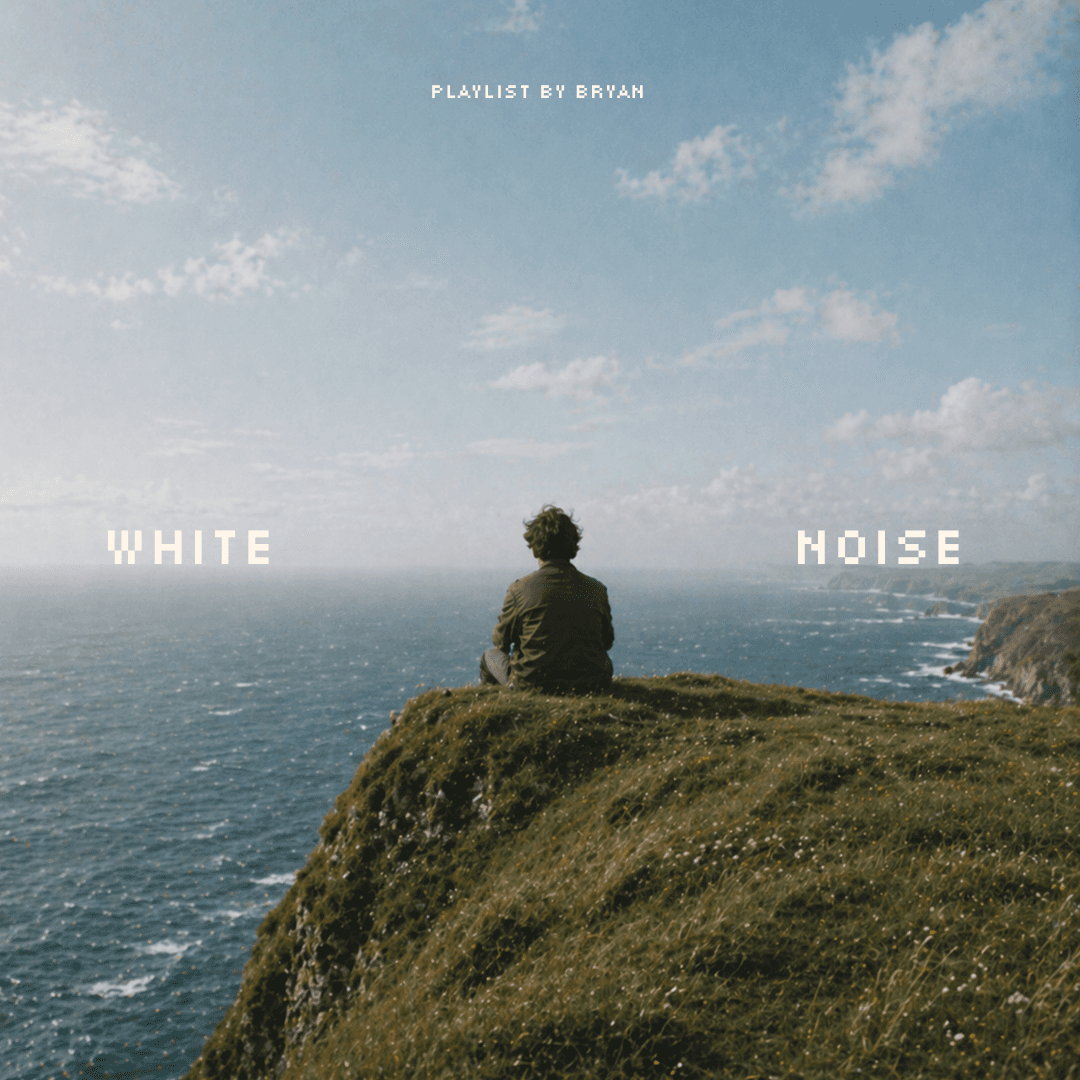
White Noise: at the edge of the cliff, the day still clings loud and unfinished. waves rise and crash in their own rhythm. it does not adjust, does not care to be understood. you hear it, then smell it. the salt in the air, settling on your lips. the white noise pulls every thought under. nothing asks to stay.
Listen here: https://open.spotify.com/playlist/0z8bSbeAVd6ikKhlWNBffH?si=59822bccc2744e42
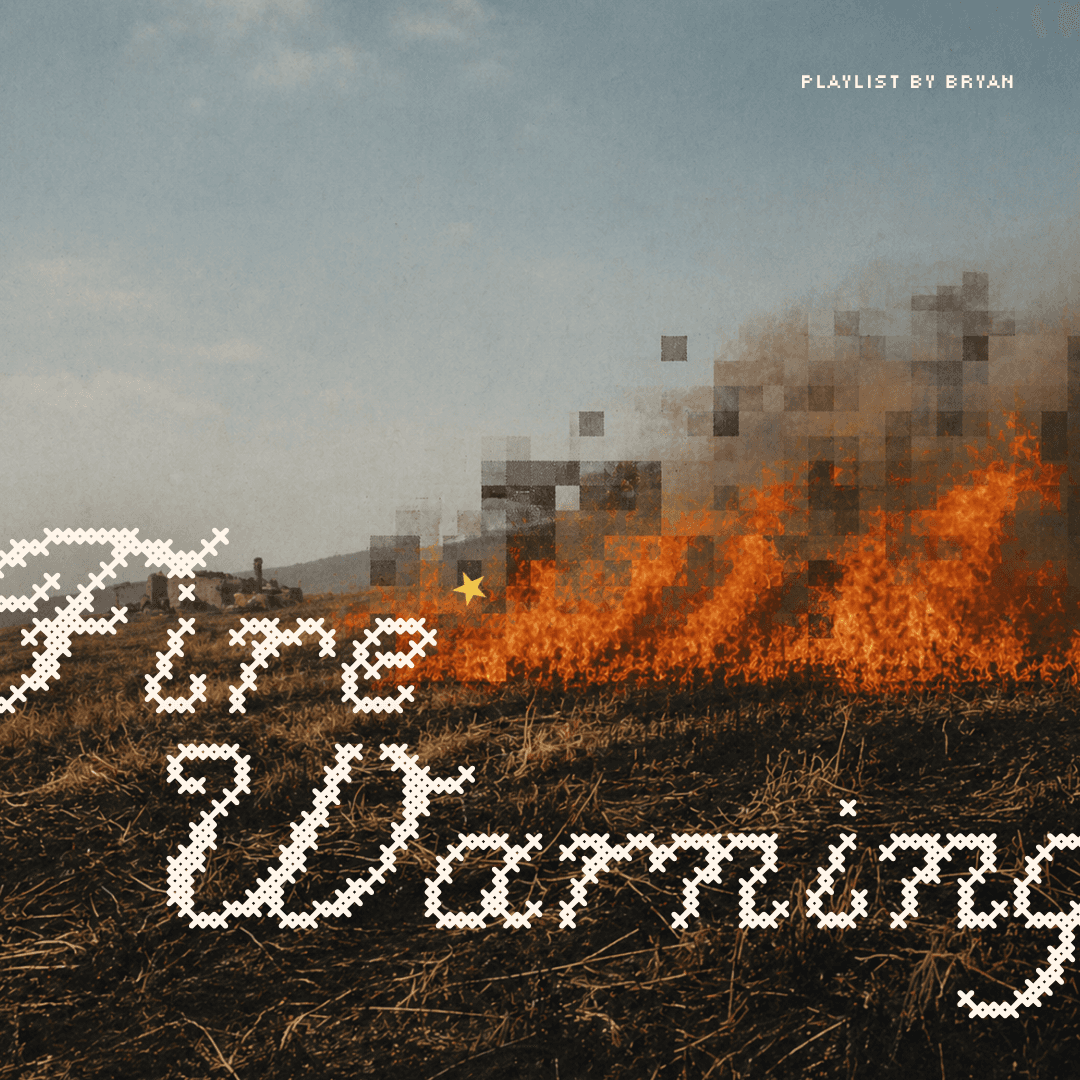
Fire Warning: The siren calls before the fire reaches you. You already know the colour of that sky. Through the smoke, through everything falling, you heard a voice. Warning you. Finding you. You take the hand. The ash stays. So does she.
Listen here: https://open.spotify.com/playlist/7fZ6q2jpJxcBVaifdFDxr9?si=f121f23fb4fc4e04
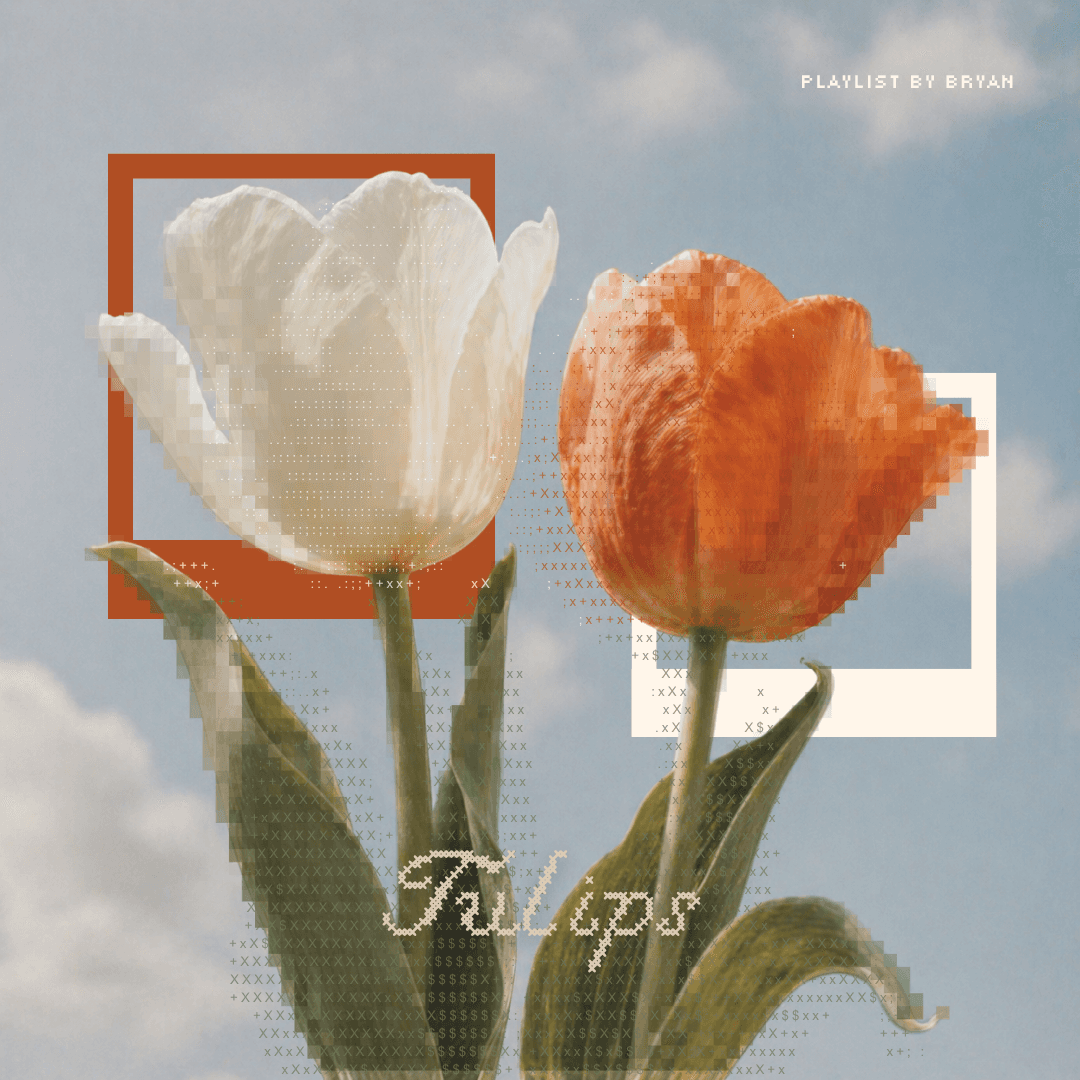
Tulips: They say if two people meet, they have brushed sleeves in a past life. If they love, eight thousand times before. You were somewhere in the middle. Close enough to feel it. Not enough lives yet to keep it.
Listen here: https://open.spotify.com/playlist/4nQ94nGBwIdabsqLR868n7?si=43efc81c72fb4a7e
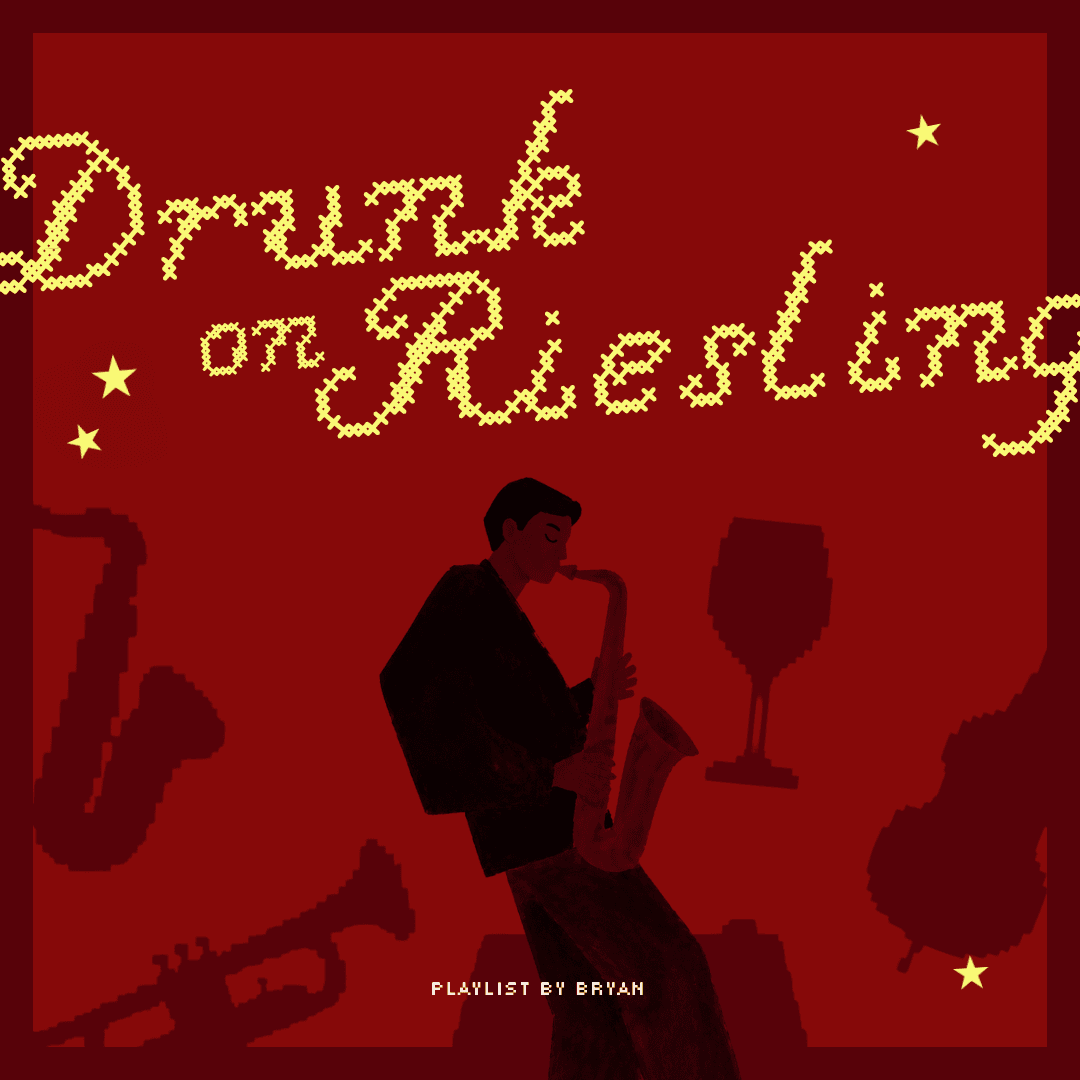
Drunk on Riesling: A late-night playlist that is theatrical, indulgent and slightly unstable. Jazz references, wine and deep red tones create a world that feels celebratory without being entirely composed, the musical equivalent of becoming more articulate and less reliable with every glass.
Listen here: https://open.spotify.com/playlist/6RXOP3SWI0ytKsvPo6P1L1?si=92b0a18f31534076

Rewind: A playlist about memory as repetition: the songs we return to until they become inseparable from the people, places and versions of ourselves attached to them. The cassette schematic treats nostalgia almost mechanically, as though memory could be stored, replayed and preserved, even as each repetition subtly changes the original.
Listen here: https://open.spotify.com/playlist/3FPolSEIn7re7MdeNfkVWQ?si=7dae331f28274707
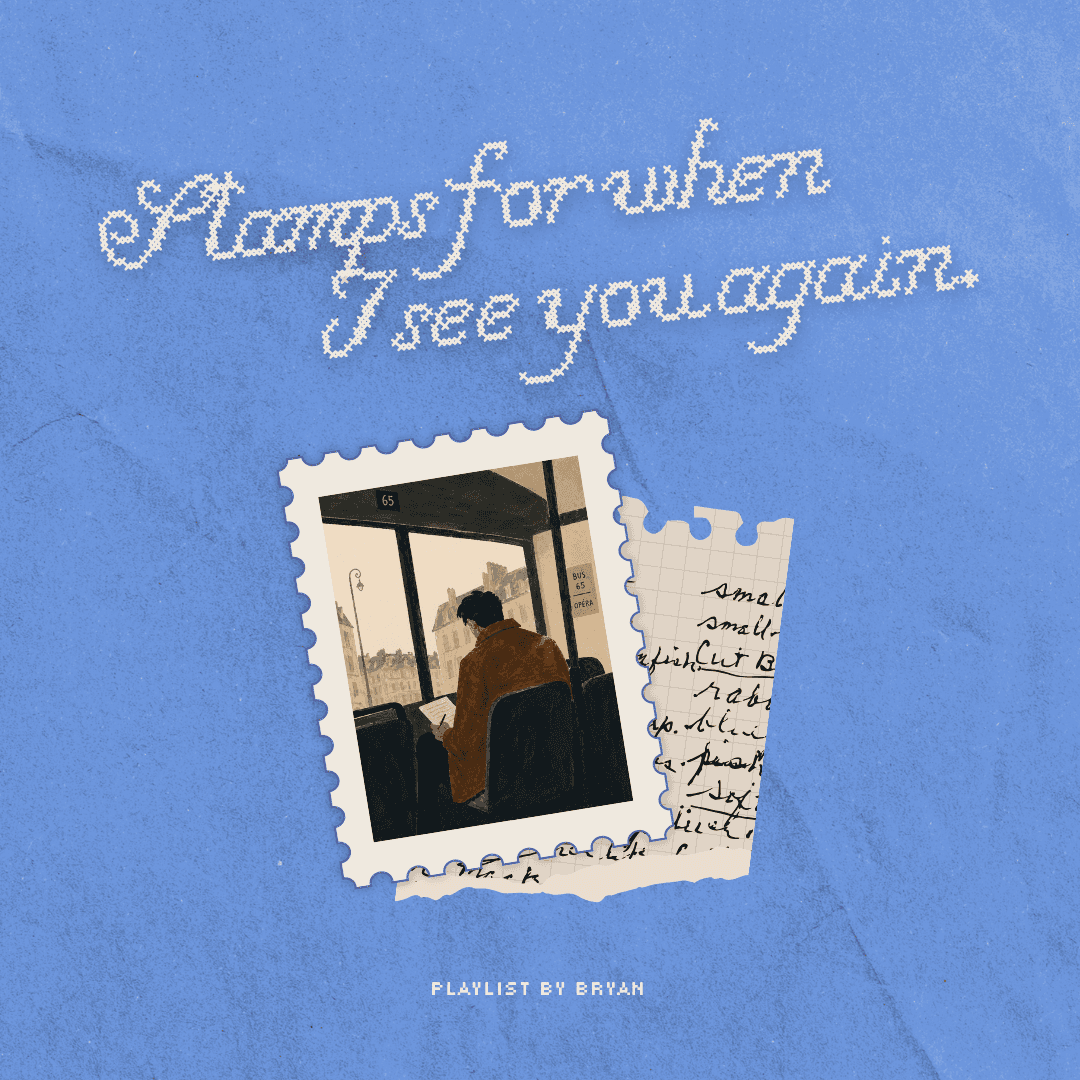
Stamps for when I see you again: A playlist for the stories, observations and private jokes collected between meetings. It is not about tragic distance, but hopeful anticipation: the quiet pleasure of storing small pieces of life because someone will eventually be there to receive them.
Listen here: https://open.spotify.com/playlist/29hMvsmkQQO7U0pqA99sbz?si=ee5c9eb34b1e4067
Closing:
AI can assist at every stage of this process. It can generate references, suggest tracks, test compositions, and accelerate production. But acceleration is not judgement. It cannot decide, on its own, what the work is trying to preserve.
In a culture increasingly defined by infinite output, the creative advantage is not simply the ability to make more. It is the capacity to make distinctions, to impose meaning on abundance, and to know when something finally belongs.
Be the first to know about every new letter.
No spam, unsubscribe anytime.